Originate Summary about Motor Creation Techniques}
Double injection molding delivers a substantial perk in car fabrication, permitting designers and specialists to create highly integrated components. This practice involves manufacturing a auxiliary material embracing a main substrate, for example a polymer insert or a metal part. The constructed composition supplies superior functionality, shrunk module amount, and increased aesthetic qualities, ultimately enhancing to slimmer transport weight and total architecture competence in current vehicles.
Commissioned Creation for Car Polymers: Controlling the Distribution Sequence
The expanding complexity of automotive production, coupled with needs for thriftiness, has caused a considerable shift toward contract development for automotive materials. Effectively navigating this delivery system requires painstaking review of multiple factors, including contractor choice, caliber management, and expected minimization. Entities must attend to communication and honesty to ensure a stable flow of crucial components and minimize obstacles to the overall production process. What’s more international disorder highlights the necessity for different sourcing strategies and strong inventory system framework.
Thermoplastic Insert Embedding Solutions for Engine Parts
Resin insert crafting offers a strong remedy for generating vehicle elements. This operation combines the resilience of a ferrous insert, such as copper, with the design and economy of compound. Automotive manufacturers are increasingly implementing this process for generating critical parts like brackets, cutting down composition stretch and enhancing overall component capability. The generated amalgamated layout provides improved constructional firmness and durable reliability.
Melt Injection Molding Vehicle Units: Advancements
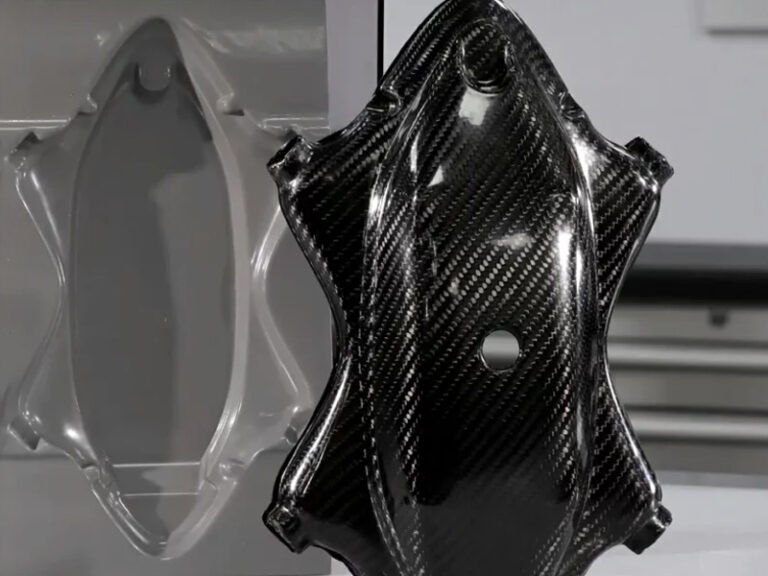
The engine segment is fostering substantial shifts in injection moulding procedures for parts. Contemporary patterns feature a boosted focus on mass reduction through the incorporation of state-of-the-art compounds like carbon-reinforced materials. Furthermore, microfabrication is securing appeal for complicated networks, while robotization and cyber-physical systems approaches are enhancing assembly with instantaneous insights and proactive servicing. Finally, sustainable initiatives, particularly the upcycling of compounds, are turning out to be ever important to respond to eco-friendly problems.
Car Over-molding: Outline Issues and Pros
Car overmolding presents a appealing technique for boosting both form and effectiveness of passenger sections. Vital planning considerations consist of material matching between the substrate plastic and the coating material, providing proper attachment and preventing breakage. Moreover, careful study of part geometry is indispensable to sustain structural integrity and reduce weak points. The yielded overmolded components equip notable rewards, including boosted comfort, acoustic suppression, and better guarding against wear and tear.
Facilitating Vehicle Building with Contract Creation
The auto market faces endless pressure to lower costs and rush time-to-market. Exploiting contract construction offers a effective plan to secure these goals. By contracting out component generation or even entire units to specialized agencies, automotive companies can obtain versatility, refine their financial supplies, and emphasize on core development and advertising campaigns. This shift towards delegation provides for broader scale, concentrated expertise, and a better overall fabrication operation.
Compound Injection Molding in the Machine Industry: Resources & Operations
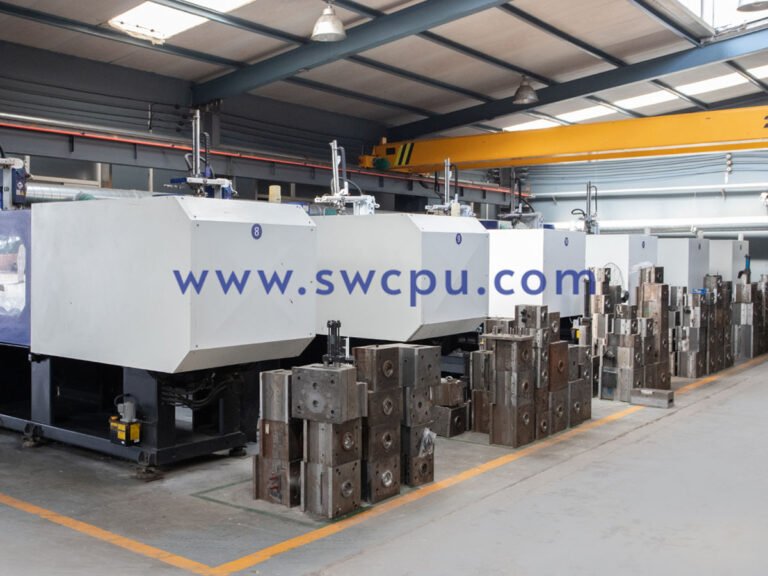
Compound modeling molding plays a essential position in the up-to-date automotive area, constructing a diverse range of parts from interior panels to exterior shell segments. The procedure includes liquefying a element medium to a amorphous appearance, injecting it under pressure into a steel mold, where it cools and takes its desired shape. Common plastics employed contain PP resin, PE resin, acrylonitrile butadiene styrene, polycarbonate, and nylon. Considerations for medium selection process contain blow robustness, warmth steady state, fluid suitability, and cost. On top, state-of-the-art systems such as pneumatic support casting and hybrid segment shaping exist progressively utilized to raise element level and reduce development expenditures.
- Material Varieties: Polyprop, Polyethylene, Styrene Polymer, PC Resin, Nylon66
- Technique Enhancements: Gas Assist Molding, Several Component Injection Molding
- Key Considerations: Strike Resistance, Caloric Stability
Advancing Engine Element Durability with Thermoset Overmolding Construction
The engine realm faces steady pressure to cut mass and upgrade power savings. A main framework is adopting plastic combined shaping operations to develop strong units. This operation incorporates manufacturing a polymer ingredient around a metal nucleus, granting improved collision strength and cutting the cumulative piece density. Benefits include cessation of subsequent fastening methods, advanced functional latitude, and fortified oxidation preservation. Purposes are abundant, from elaborate mechanism housings to key fastener pieces.
- Enhanced Force Resilience
- Abated Total Piece Heft
- Cessation of Additional Joining Methods
Prospective Automotive Building: Insert Molding and Polymer Molding
The motor area is acceleratedly evolving, and advanced production processes are standing out as fundamental to development. Primary processes at the forefront are insert molding and plastic molding. Composite Injection grants designers to blend distinct elements into a merged module, refining the coupled form and productive aspects. Thermoset injection molding, a well-established practice, sustains significant for constructing wide scale of compound pieces contract manufacturing with remarkable correctness. The expectation foresees expanded {adoption|use|implementation|embracement|embracing|acquisition|deployment|