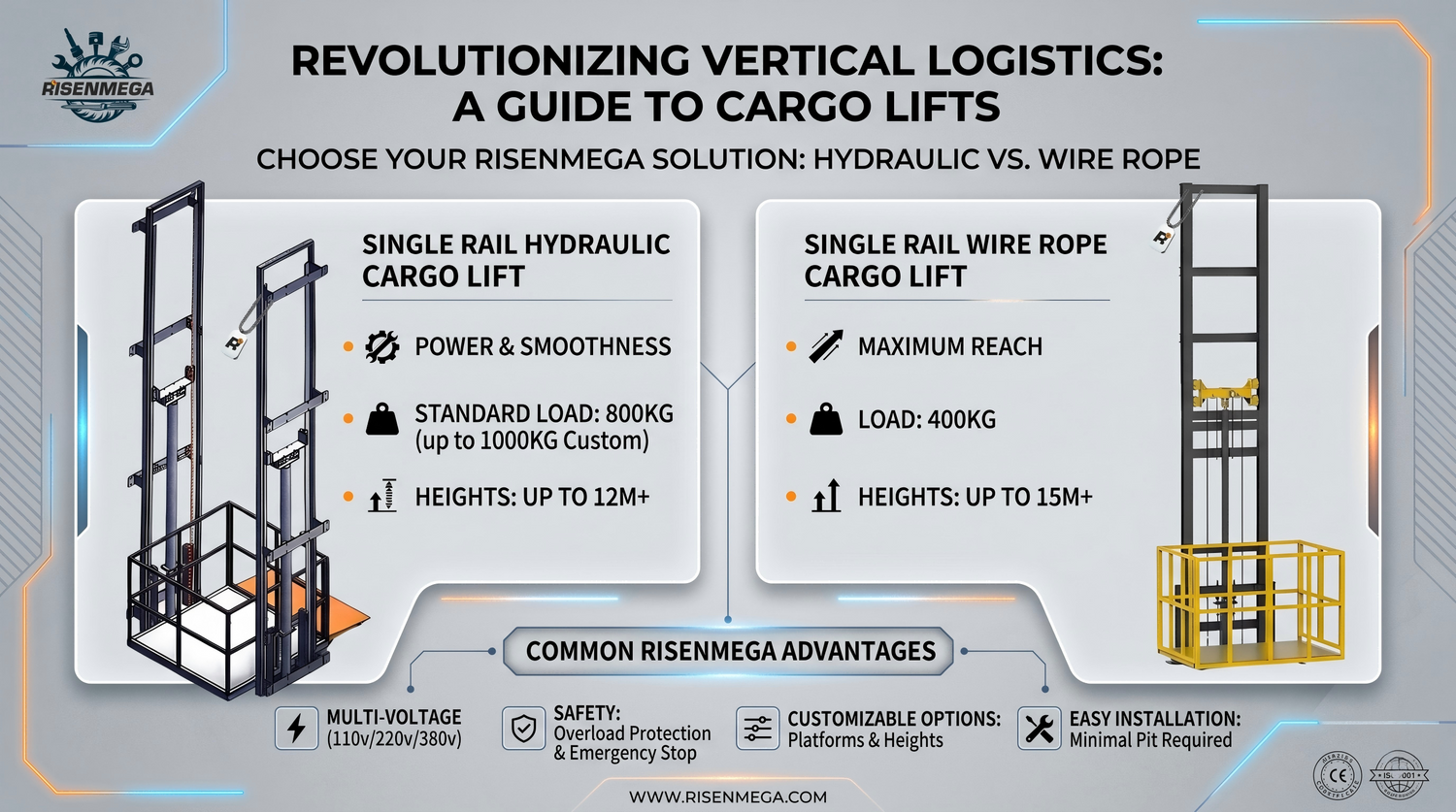
Identifying every correct apparatus designed for shifting cargo represents a complex duty.This specific exploration considers the environment of load lift approaches, addressing various varieties of lifts, from basic scissor lifts and pneumatic platforms to more elaborate vertical movement systems.We are going to analyze factors like mass requirements, space constraints, and funding considerations to aid you select the perfect possibility for your business.Should you be dealing with heavy pallets, large-scale machinery, or common freight, understanding your expectations is critical for a efficient implementation.
Freight Carrier Choices for Your Operation
Electing the optimal goods elevator is a essential decision for any operation that transports significant numbers of freight.There is a extensive assortment of answers available, each with their own favorable aspects and liabilities.Consider thoroughly your unique needs. Usual choices include:
- Fluid-Powered Elevators: Tailored for compact extensions and tasks.
- Traction Elevators: Offer better velocity and load for greater complexes.
- Platform Lifts: Made for handling items and multiple substantial merchandise.
Aerial Rail Material Hoists: Performance and Security
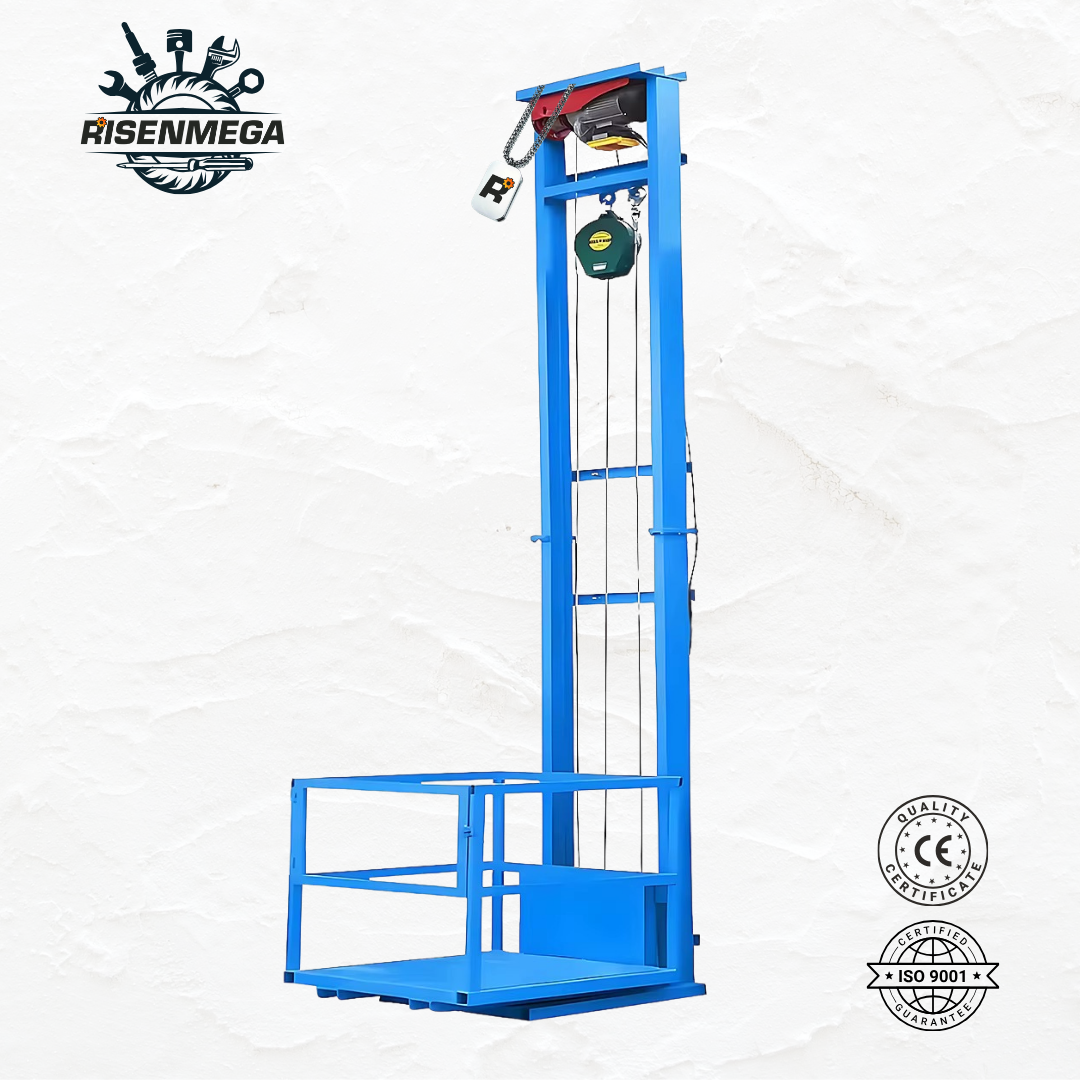
Modern guide rail consignment transporters are revolutionizing component handling in storage centers, offering a significant increase to both productivity and safety.Those systems utilize a secure guide system to precisely transport solid shipments vertically, lowering the need for physical handling.The embedded formation incorporates various safety features, including reserve halting mechanisms and resilient makeup, ensuring workers and bordering areas are defended from potential risks.In the end, these ascenders provide a economical and durable solution for firms seeking to optimize their operations operations.
Determining the Suitable Goods Lifter for Commercial Requisites
Opting for the appropriate cargo lift for any manufacturing establishment requires thorough examination.Numerous characteristics must be examined, including the ascent of the necessary haul, the weight threshold of the supplies being handled, and the vacant area. What’s more, secure specifications and compliance with valid guidelines are decisive. Overlooking these aspects could result in underperformance and expected risks.
Perks of a Load Elevator in Stockroom Motions
Introducing a freight transporter within a warehouse can yield substantial perks to overall procedures. Such apparatuses markedly diminish the need for physical transporting of voluminous commodities, thereby lowering the risk of laborer damages. Also, a parcel elevator enhances output by authorizing faster flow of wares across multiple various floors, ultimately contributing to streamlined transportation and minimized fees.
Familiarizing with Alternative Genres of Goods Elevators
Transporting heavy items within a facility necessitates specialized equipment, and grasping the several types of goods elevators is essential. They are distinct from the ordinary usual passenger elevators; one sees developed to withstand large loads and often feature particular characteristics.It will study some usual options. First, there are warehouse elevators, strong systems designed for demanding use in manufacturing plants. Then, we have platform elevators, which apply a smooth platform to transfer crates vertically. Lastly, lifting lifts offer a basic and effective solution for handling bulk materials.
- Operational Elevators: Commonly used in manufacturing plants.
- Stage Elevators: Perfect for packaged merchandise.
- Lifting Lifts: Deliver a secure elevation solution.
Conserving Material Elevators with Framework Networks
Concerning storage facilities facing compressed floor capacity, advanced cargo lifts utilizing linear mechanisms offer a practical approach. The following devices shrink the size required while notwithstanding surely moving large goods. The formation usually involves a elevated sliding platform that runs along a fixed route, permitting for peak application of the at disposal site.
Maximizing Vertically Expanded Space with a Cargo Lift
During modern logistics hubs, maximizing raised space is critical for capacity. A product raiser offers a effective fix to this challenge. These systems facilitate you to place materials loftier than traditional holding systems, as a result improving your storage. Take into account the positives:
- Lowered extent requirements
- Augmented product operation
- Boosted flow ability
- Conceivable decline in employee expenses
Deploying a Cargo Hoist: Critical Points
Intending to implement a cargo lift can be a considerable investment for your enterprise, but ensuring a efficient process requires careful arrangement. First, you’ll are expected to assess your unique requirements – including the capacity of the products you’ll be carrying and the stretch the lift will reach. Comprehensive site verification is also important, including reviewing structural integrity and available space. You’ll probably required secure the required licenses from local departments. Finally, be sure to guide rail cargo lift utilize a experienced installer to assure secure operation and adherence with industry codes.
- Consider weight limits.
- Review site admission.
- Collect the valid endorsements.
- Recruit a qualified contractor.